Authentic Safaris Trips to Tanzania
Experience the thrill of safaris that not only respect Tanzania’s natural beauty but also contribute to the preservation of its incredible ecosystems. Safari Njema’s passionate, expert safari guides are ready to immerse you in the wild, sharing their deep knowledge of wildlife and the natural history of the region.
Jim's Stories
Day Walk with the Hadzabe Bushmen
We arrived just as the sun began to rise and were greeted by the Hadzabe Bushmen, who were gathered around smoking their morning tobacco — or marijuana, which grows wild in the bush. This ritual seemed to be a social time for them, and they clearly enjoyed the relaxed moment together before beginning their day.
Once the ritual ended, we set off on our day walk. The Hadzabe didn't walk quickly, but they moved with purpose and efficiency, always alert and on the lookout for food. It wasn’t long before they spotted a group of doves in the trees. With impressive accuracy, they shot two of them using handmade bows and arrows. A prize this small wasn’t worth bringing back to camp, so they cooked the doves right there for breakfast.
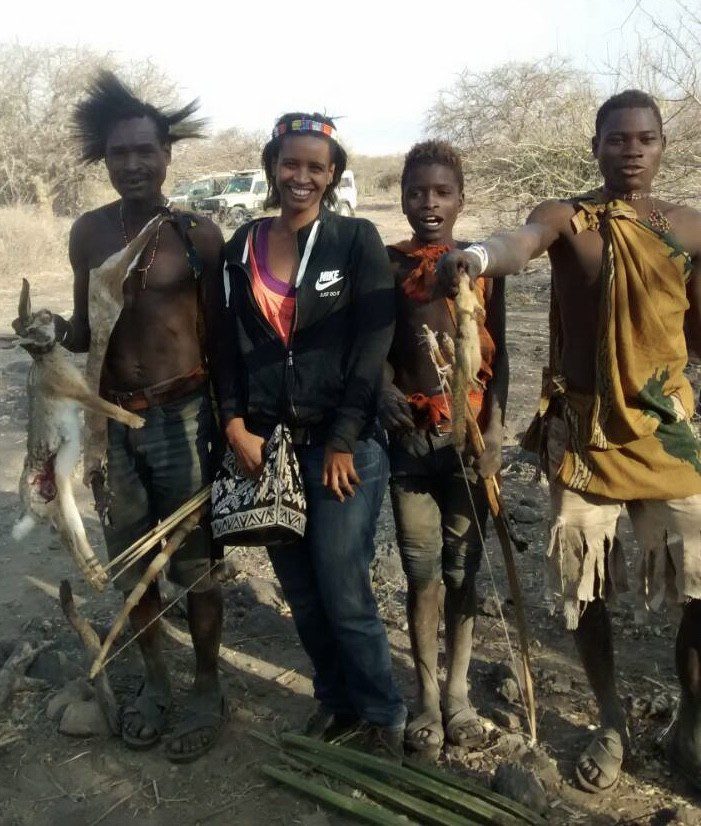
The Hadzabe are true hunter-gatherers and have been living this way for over 100,000 years. They own very few possessions and move frequently from one hunting area to another. Our guide explained that, despite living in a comfortable climate and generally having enough food, the average life expectancy is only around 40 years — although some do live into their mid-60s.
We watched as they built a small fire, plucked the feathers from the birds, and cooked the meat over open flames using sticks. It was an amazing and humbling experience — these people live with no knowledge of the modern world beyond their life in the bush. Yet they seemed deeply happy, content, and incredibly generous. They even offered to share the meal with us. We each had a small taste of the dove, though some of us hesitated due to concerns about the unclean, bloodied knife that had been used in preparation.
After the hunt, we visited their camp and met the women and children. Their way of life is incredibly simple. Although they had a few modern items like metal pots, most of their tools and belongings were very basic.
It was an amazing day, I will never forget it!
A Four-Day Walk from Lengijave to Ol'Doinyo Lengai
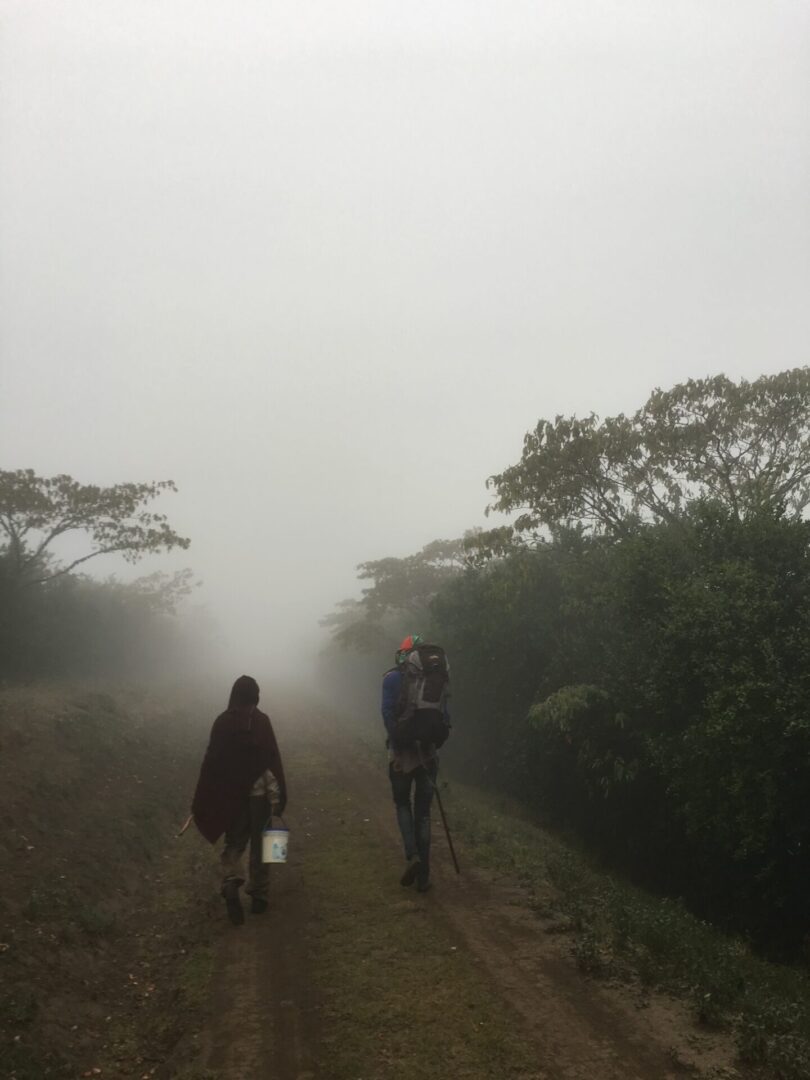
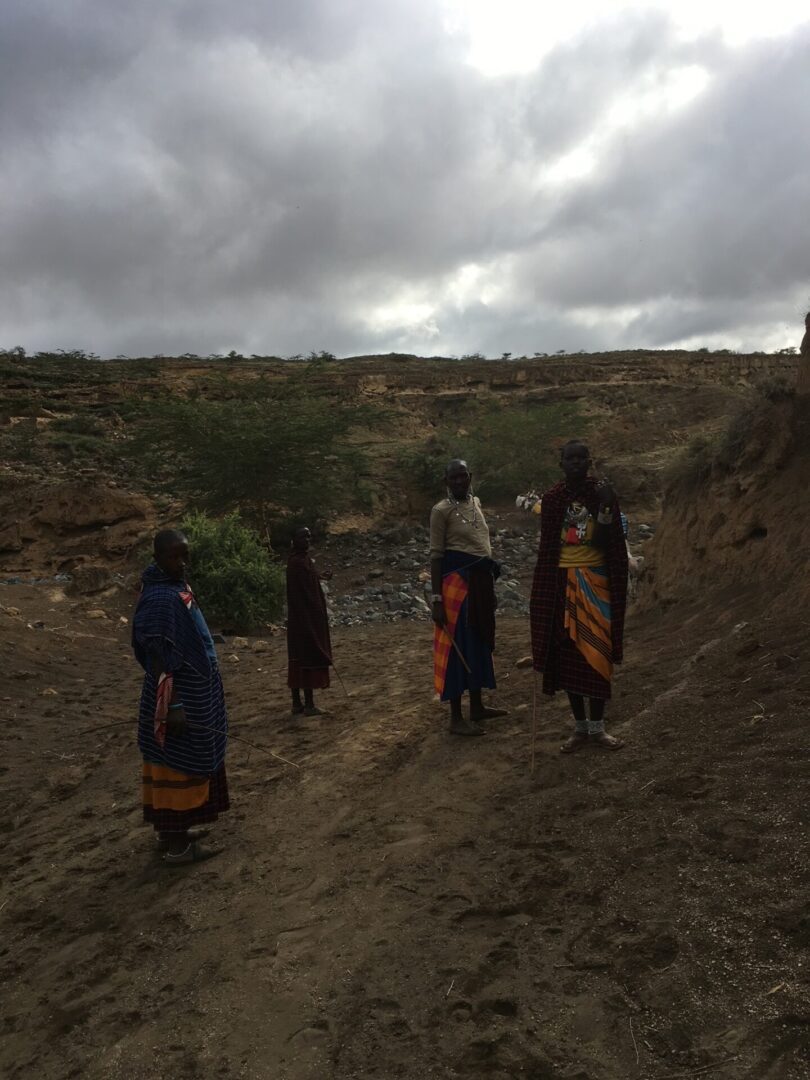
Guided by Moran, a Kikuyu, and David, a Maasai, I embarked on a four-day trek from Lengijave near Arusha to Ol'Doinyo Lengai by Lake Natron. They not only guided me, but also carried all my belongings, making the journey both physically and culturally immersive.
We set off early one morning in light rain, beginning our walk at an elevation of about 1,800 meters. The path was largely downhill, eventually leading us to 600 meters, though there were plenty of uphill stretches along the way. As we walked, we encountered many Maasai delivering goods to the market, exchanging greetings and smiles.
That first night, we stayed in a Maasai boma, gathering around the fire in the evening to listen to stories. Though I couldn’t understand their language, the warmth and camaraderie were unmistakable. The Maasai’s hospitality was overwhelming, with constant offers of milk and food, which I had to decline for fear of an upset stomach. It was difficult to refuse their kindness, but I knew my body wouldn't handle their diet well.
The second day was our longest, covering 37 kilometers. I had borrowed hiking boots from the school where my sister was a teacher, and I deeply regretted not bringing my own. My feet were covered in blisters, and my extra pair of light shoes proved useless against the thorns. Despite the pain, I was determined not to let it diminish this extraordinary adventure.
My provisions were simple—beef jerky, mac and cheese, and soup—while Moran and David carried a large bucket of porridge. They often offered it to me, but I couldn't stomach porridge made with unrefrigerated milk. An unforgettable moment occurred when David, carrying the porridge bucket, slipped while descending a rocky slope. The bucket flew into the air, smashing open and spilling its contents all over him. Moran was furious, but his anger quickly faded, and before long, they were chatting as if nothing had happened. I loved listening to their conversations, always curious about what they were discussing.
We shared my food that night, and at a small village the next day, they managed to replace the porridge. This time, Moran insisted on carrying it. Ironically, on the very next rocky descent, he slipped, and once again, the porridge was lost. Despite these mishaps, they took everything in stride, their resilience and humor admirable.
Thankfully, small villages along the route provided bottled water, which I stocked up on. I often offered some to Moran and David, but they preferred drinking from creeks and watering holes. In one particularly dry area, their only available water source was a mud puddle on the road. They filtered it through their shirt sleeves before drinking, a testament to the strength of their stomachs and survival skills.
At one village, David asked for money to buy tobacco. He went off to make his purchase while Moran and I continued walking. Shortly after, an official from the village caught up to us, threatening to arrest David. Moran had to return and pay a fine to get him released. I never got a clear explanation, but I suspected it had something to do with me—the lone Mzungu walking aimlessly through the savanna.
Each night, Moran and David built a protective fence of thorn bushes around our tent. We often heard hyenas howling in the darkness, except on rainy nights, when the sound of rain drowned everything out. After leaving the Maasai boma, both nights were rainy, and the three of us squeezed into a two-person tent with our backpacks, making for a less-than-comfortable sleep. On the final night, at 2:00 a.m., soaked and freezing, we decided to start walking instead. Moving was far more comfortable than shivering in a damp tent. We occasionally stopped under trees, huddling together to stay warm.
As we neared our destination, we continued to meet friendly Maasai along the way. I imagined their conversations with Moran and David were about the limping Mzungu stubbornly trekking across the savanna, my blistered feet betraying my lack of preparation. Still, despite my apparent incompetence, this journey remains an experience I often reflect on—especially when sitting at the Alibi Room, sipping a hazy IPA, and reminiscing about the adventure of a lifetime.
KARL's STORIES
Connect Now
Get ready for an unforgettable adventure where every moment is safe, educational, and filled with excitement! Contact us now.